

New age strategies to reconstruct tissue colonization and growth in cell culture systems
2019
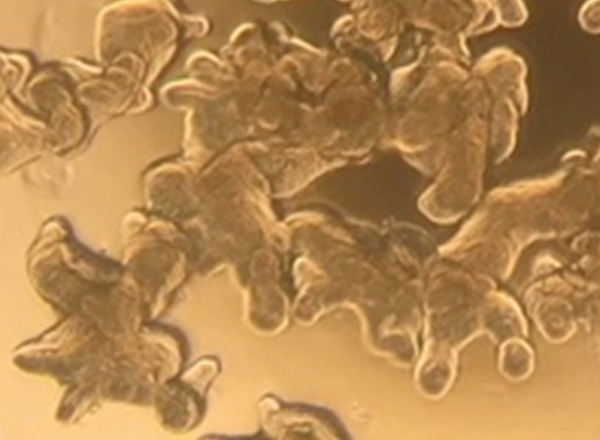
Fasciano, A.C., Mecsas, J. and Isberg, R.R. Microbiology Spectrum – March. 2019 vol. 7 no. 2.
Definitions and Guidelines for Research on Antibiotic Persistence
2019
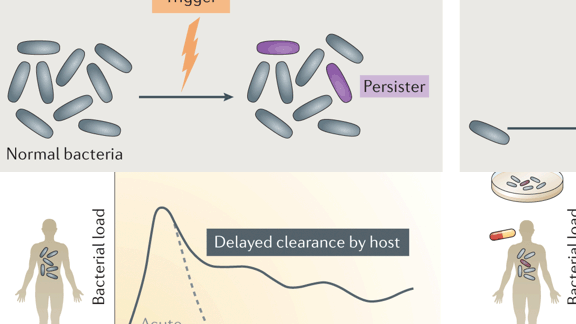
Nature Reviews Microbiology – April 12. 2019.
Artificial Intelligence and Patient-centric Approaches to Advance Pharmaceutical Innovation
2019

Kenneth I. Kaitin, PhD, Tufts Center for the Study of Drug Development. Clin Ther. 2019 Aug; 41(8):1406-1407.
The Effect of Respiratory Viral Assay Panel on Antibiotic Prescription Patterns at Discharge In Adults Admitted with Mild to Moderate Acute Exacerbation of COPD: A Retrospective Before- After Study
2019
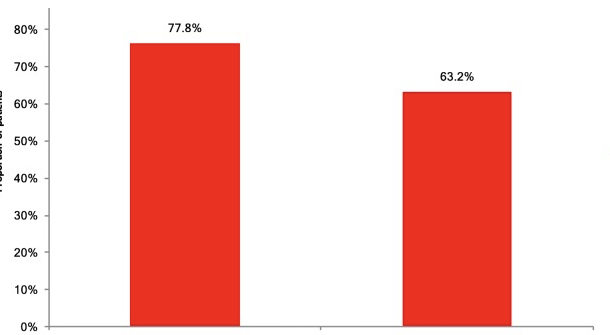
Tickoo M, Ruthazer R, Bardia A, Doron S, Andujar-Vazquez GM, Gardiner BJ, Snydman DR, Kurz SG. BMC Pulm Med. 2019 Jul 1;19(1):118.
Discovery of Peptide Antibiotics Composed of d-Amino Acids
2019
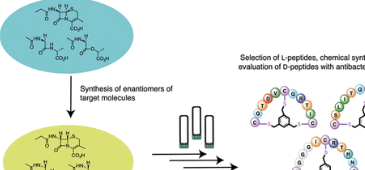
Emel Adaligil, Kalyani Patil, Marissa Rodenstein, Krishna Kumar. ACS Chem Biol. 2019 Jul 19;14(7):1498-1506.
Amino Acid Biosynthetic Pathways Are Required for Klebsiella pneumoniae Growth in Immunocompromised Lungs and Are Druggable Targets during Infection
2019
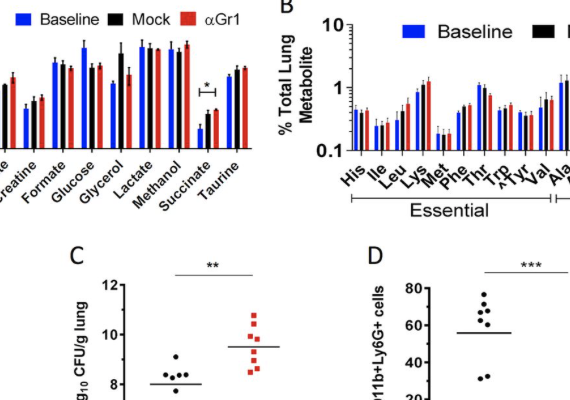
Rebecca J. Silver, Michelle K. Paczosa, Anne L. McCabe, Joan-Miquel Balada-Llasat, James D. Baleja, Joan Mecsas. Antimicrob Agents Chemother. 2019 Jul 25;63(8). pii: e02674-18.
U.S.-Based National Surveillance for Fidaxomicin Susceptibility of Clostridioides difficile-Associated Diarrheal Isolates from 2013 to 2016
2019
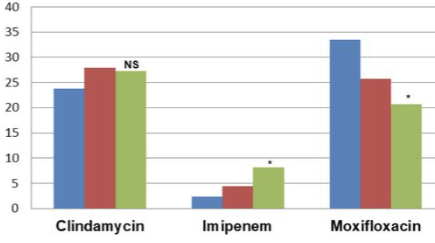
C. M. Thorpe, L. A. McDermott, M. K. Tran, J. Chang, S. G. Jenkins, E. J. C. Goldstein, R. Patel, B. A. Forbes, S. Johnson, D. N. Gerding, D. R. Snydman. Antimicrob Agents Chemother. 2019 Jun 24;63(7). pii: e00391-19.
Usage Patterns of Carbapenem Antimicrobials in Dogs and Cats at a Veterinary Tertiary Care Hospital
2019
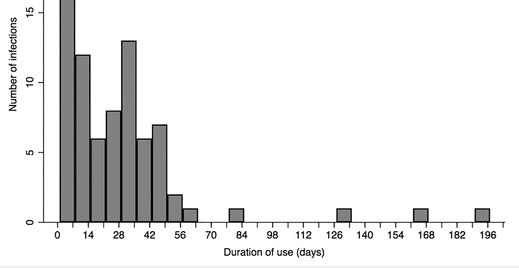
Alison Smith, Annie S. Wayne, Claire L. Fellman, Marieke H. Rosenbaum. J Vet Intern Med. 2019 Jul;33(4):1677-1685.
Partial Oral Therapy for Osteomyelitis and Endocarditis – Is It Time?
Jan, 2019
Antimicrobial resistance threatens health and global security, with an estimated 162,000 deaths per year in the United States caused by multidrug-resistant infections
Prophage induction, but not production of phage particles, is required for lethal disease in a microbiome-replete murine model of enterohemorrhagic E. coli infection.
Jan, 2019
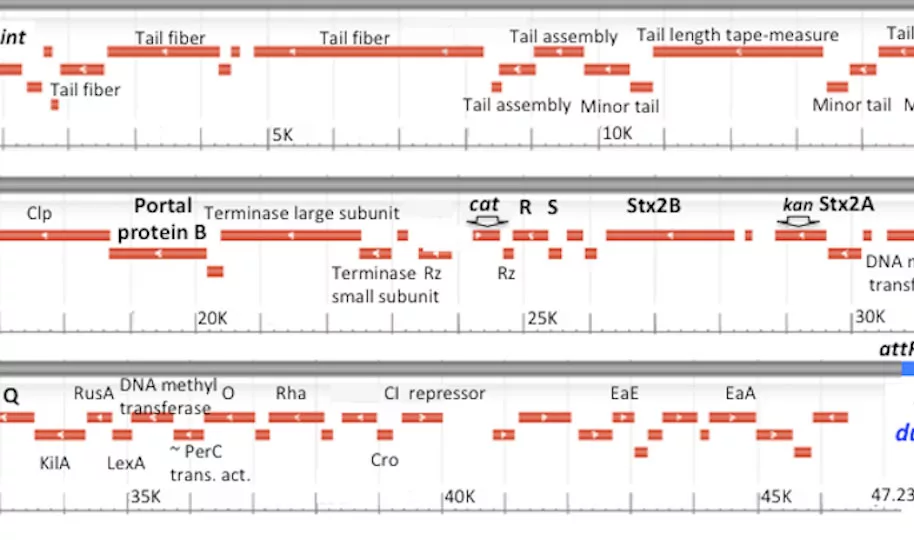
Enterohemorrhagic Escherichia coli (EHEC) colonize intestinal epithelium by generating characteristic attaching and effacing (AE) lesions. They are lysogenized by prophage that encode Shiga toxin 2 (Stx2), which is responsible for severe clinical manifestations.
- Direct bacterial transcript visualization illuminates spatiotemporal environmental adaptation of Mycobacterium tuberculosis in the lungAugust 14, 2026
- Indication-based clinical decision support for inpatient urine testing: impacts on utilization, appropriateness, and antibiotic prescribingJuly 24, 2026
- EXPRESS: Factors associated with antimicrobial drug prescription in cats receiving outpatient care at a veterinary teaching hospitalJuly 8, 2026
- Loss of essential outer membrane functions causes drug hypersensitization in Acinetobacter baumannii overexpressing multidrug efflux pumpsJune 24, 2026
- Growth arrest of Mycobacterium tuberculosis in acidic environments enhances their survival of antibiotic treatmentJune 22, 2026