

CIMAR Joins the Battle Against AMR with Collaborative and Brainstorming Workshop
January 21, 2019

The Tufts Center for Integrated Management of Antimicrobial Resistance (CIMAR) hosted its first event last month to introduce the Center to the local scientific community and to offer a platform for investigators and clinicians to showcase their research and promote collaborations. CIMAR aims to address the rise and spread of antimicrobial resistance (AMR), and we believe our faculty possess the myriad unique skillsets needed to lead this fight. Roughly 700,000 human deaths are attributable to AMR each year globally, and if trends continue, AMR could contribute to a total of 350 million deaths by 2050.
Drug-Resistant Superbugs: CIMAR Symposium Examines the Intersection of People, Animals, Food, and the Environment, and Their Impact on Health
April 9, 2019

The Tufts Center for Integrated Management of Antimicrobial Resistance (CIMAR) held its first symposium in Boston on March 18th. The event brought together over 175 clinicians and researchers from academia, medicine, and industry, all interested in fighting drug-resistant diseases via a “One Health” approach. One Health prioritizes the relationship among people, animals, the environment, and the foods we all consume as critical avenues by which drug-resistant bacteria spread from one to another
CIMAR Outreach Day Provides High Schoolers Rare Educational and Networking Opportunities
May 23, 2019

The Tufts Center for Integrated Management of Antimicrobial Resistance hosted 33 students from Boston-area Brockton High School last week for a science outreach event. The students presented posters depicting original experiments and data on antimicrobial resistance to a wide audience of Tufts University and Tufts Medical Center graduate students, postdoctoral fellows, faculty, and clinicians.
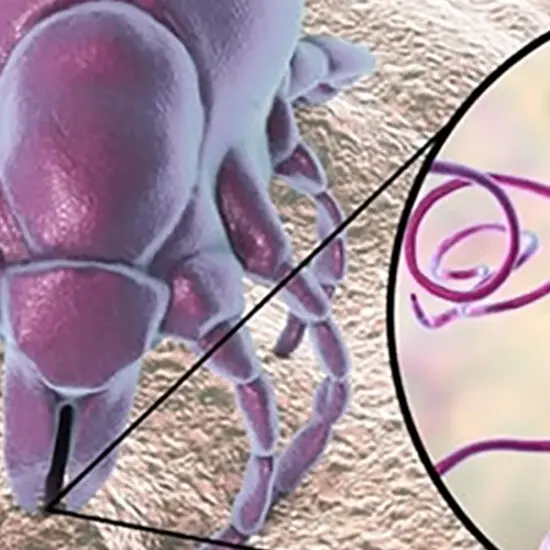
Metabolic Modeling Predicts Unique Drug Targets in Lyme Disease Pathogen B. burgdorferi – TUSM’s Peter Gwynne, PhD
February 23, 2023
We were pleased to hear from Bryan Lenneman, Ph.D., today on “Engineering Phages as Novel Antimicrobials Targeting Gram-Negative Pathogens.” Dr. Lenneman is a Research Fellow at Massachusetts General Hospital whose research interests include utilizing synthetic biology to develop novel therapeutics against diseases associated with dysbiosis of the human gut microbial community.
Engineering Phages as Novel Antimicrobials Targeting Gram-Negative Pathogens – Massachusetts General Hospital’s Bryan Lenneman, Ph.D.
March 30, 2023

MGH Research Fellow Bryan Lenneman, PhD, is interested in utilizing synthetic biology to develop novel therapeutics against diseases associated with dysbiosis of the human gut microbial community.
Tufts-Led Study Compares Gender-Specific Expression of Antibiotic Resistance Genes During Active Gonorrhea Infection

The World Health Organization estimates that 78 million people worldwide are infected with gonorrhea each year…
Antimicrobial Resistance Fighters: CIMAR is cracking down on one of the biggest global health concerns
Antimicrobial resistance is a global catastrophe, leading to 700,000 deaths annually around the world. Tufts University and Tufts Medical Center are heeding the call with the new Tufts Center for Integrated Management of Antimicrobial Resistance (CIMAR)…
Stopping Cholera in Its Tracks: Testing Bacteriophages as a Way to Halt the Spread of the Deadly Disease
Cholera strikes almost 3 million people each year worldwide. Tufts/CIMAR researchers are developing a treatment to prevent its spread, using viruses to attack the bacterium that causes the disease.
Op-Ed: The Antibiotic Market is Broken and Won’t Fix Itself
Over the past year we’ve watched two troubling trends escalate. First, patients increasingly face — and their doctors struggle to treat — infections that do not respond to existing antibiotics. Second, major pharmaceutical companies are backing away from developing new antibiotics.
Archaogen Bankruptcy Raises Worry Over Antibiotic Pipeline
We’re worried that Achaogen is not alone, and that we will see the fall of other small antibiotic manufacturers, said Helen Boucher, MD, director of the Tufts Center for Integrated Management of Antimicrobial Resistance and treasurer of the Infectious Diseases Society of America (IDSA). And we’re worried about the danger this could present for our patients.
- Tufts Researchers Find Link Between Dog-Human Antibiotic Resistance
- IDSA announces Tufts Medical Center Among Recipients of Antimicrobial Stewardship Centers of Excellence Designation
- CIMAR Featured in Spotlight on Research and Collaboration
- CIMAR Joins the Battle Against AMR with Collaborative and Brainstorming Workshop
- Tufts Summer Programs Provide Research Opportunities for Undergraduates