

Effect of Algorithm-Based Therapy vs Usual Care on Clinical Success and Serious Adverse Events in Patients with Staphylococcal Bacteremia: A Randomized Clinical Trial.
Sep, 2018
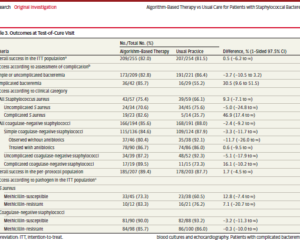
Thomas L. Holland, MD, Issam Raad, MD, Helen W. Boucher, MD, et al
Microbial Identification Using DNA Target Amplification and Sequencing: Clinical Utility and Impact on Patient Management
October, 2018
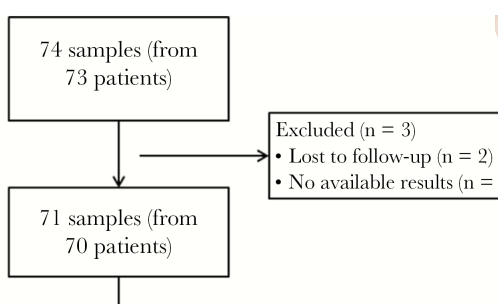
Tinzar Basein, Bradley J Gardiner, Gabriela M Andujar Vazquez, Andrew S Joel Chandranesan, Arthur R Rabson, Shira Doron, David R Snydman
The landscape of intrinsic and evolved fluoroquinolone resistance in Acinetobacter baumannii includes suppression of drug-induced prophage replication
October, 2018
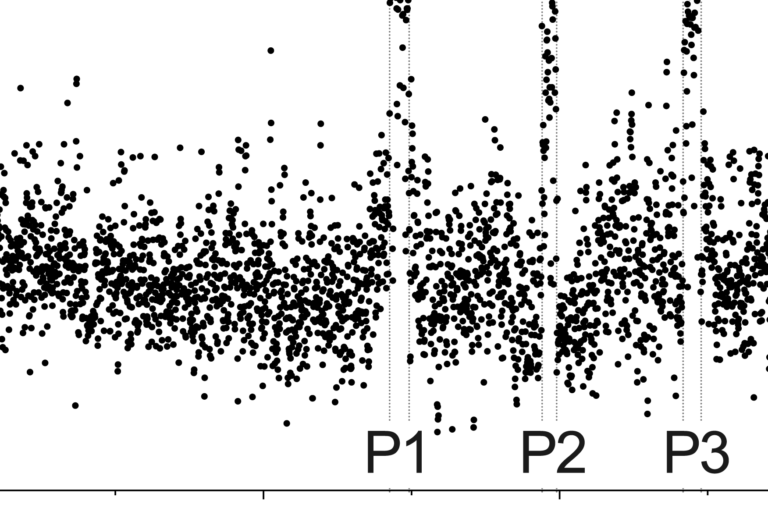
The emergence of fluoroquinolone resistance in nosocomial pathogens has restricted the clinical efficacy of this antibiotic class. In Acinetobacter baumannii, the majority of clinical isolates now show high level resistance due to mutations in gyrA (DNA gyrase) and parC (Topo IV).
Good Studies Evaluate the Disease While Great Studies Evaluate the Patient: Development and Application of a Desirability of Outcome Ranking Endpoint for Staphylococcus aureus Bloodstream Infection
October 12, 2018
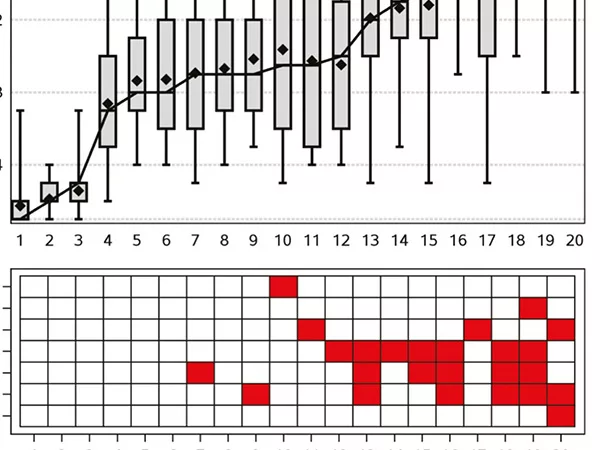
Sarah B Doernberg, Thuy Tien Tram Tran, Steven Y C Tong, Mical Paul, Dafna Yahav, Joshua S Davis, Leonard Leibovici, Helen W Boucher, G Ralph Corey, Sara E Cosgrove, Henry F Chambers, Vance G Fowler, Scott R Evans, Thomas L Holland,
The PARE Project: A Short Course-Based Research Project for National Surveillance of Antibiotic-Resistant Microbes in Environmental Samples
October 31, 2018
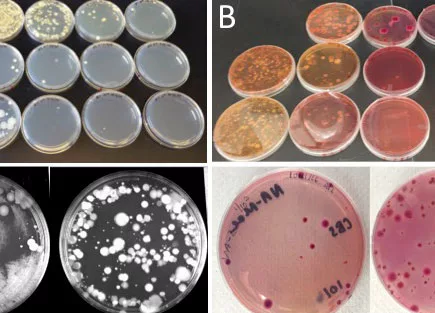
Course-based research experiences (CREs) have been proposed as an inclusive model to expose all students, including those at institutions without a strong research infrastructure, to research at an early stage.
An Experimental Pipeline for Initial Characterization of Bacterial Type III Secretion System Inhibitor Mode of Action Using Enteropathogenic Yersinia
November, 2018
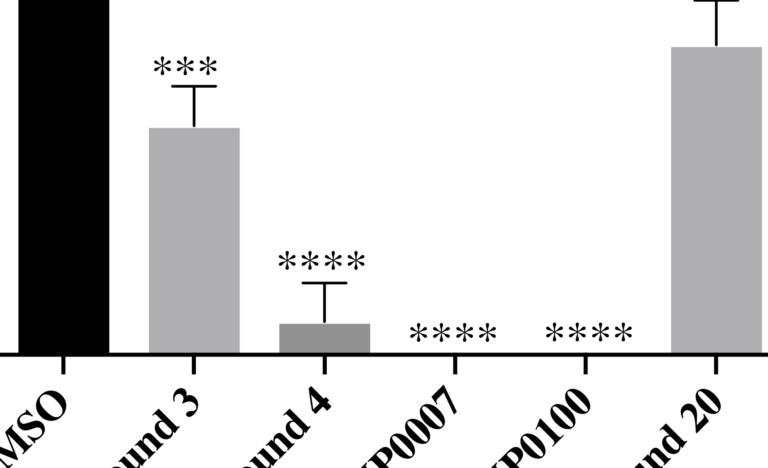
Dozens of Gram negative pathogens use one or more type III secretion systems (T3SS) to disarm host defenses or occupy a beneficial niche during infection of a host organism.
Synthesis of the Non-Reducing Hexasaccharide Fragment of Saccharomicin B
November 14, 2018
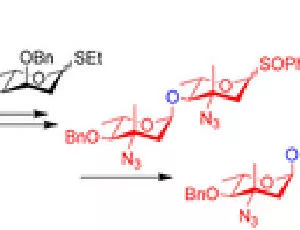
ACS Publications, Organic Letters, 2018 Nov 14. doi: 10.1021/acs.orglett.8b03333
A Statewide Program to Improve Management of Suspected Urinary Tract Infection in Long-Term Care
2019
Salem-Schatz S, Griswold P, Kandel R, Benjamin-Bothwell S, DeMaria A Jr, McElroy N, Bolstorff B, McHale E, Doron S. J Am Geriatr Soc. 2019 Nov 28. [Epub ahead of print].
The Infectious Diseases Society of America’s 10 × ’20 Initiative (10 New Systemic Antibacterial Agents US Food and Drug Administration Approved by 2020): Is 20 × ’20 a Possibility?
2019
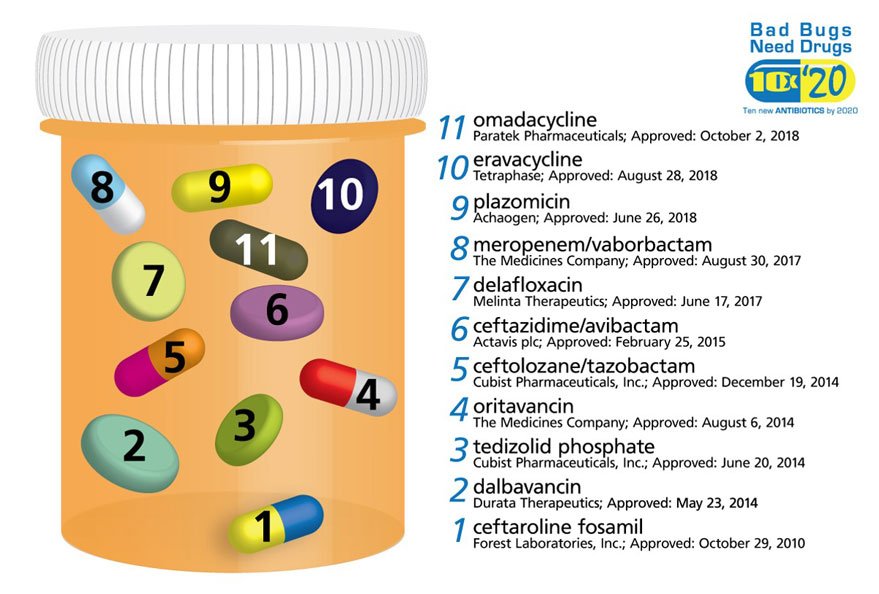
George H Talbot, Amanda Jezek, Barbara E Murray, Ronald N Jones, Richard H Ebright, Gerard J Nau, Keith A Rodvold, Jason G Newland, Helen W Boucher, Infectious Diseases Society of America. Clinical Infectious Diseases, ciz089.
One for All, but Not All for One: Social Behavior During Bacterial Diseases
2019
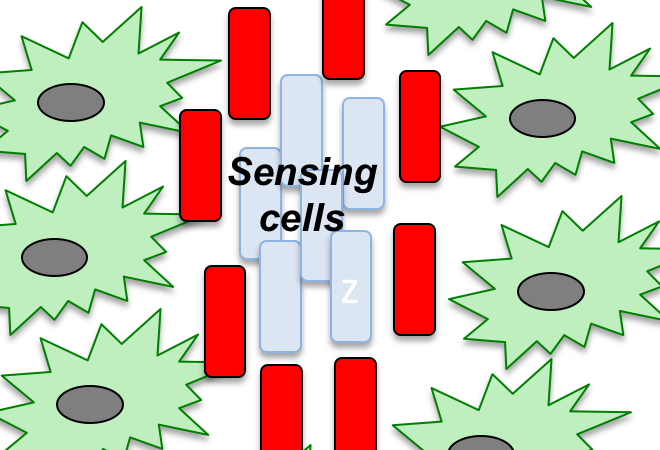
Kimberly M.Davis, Ralph R.Isberg. Trends in Microbiology, Cell Press. 2019 Jan;27(1):64-74.
- Direct bacterial transcript visualization illuminates spatiotemporal environmental adaptation of Mycobacterium tuberculosis in the lungAugust 14, 2026
- Indication-based clinical decision support for inpatient urine testing: impacts on utilization, appropriateness, and antibiotic prescribingJuly 24, 2026
- EXPRESS: Factors associated with antimicrobial drug prescription in cats receiving outpatient care at a veterinary teaching hospitalJuly 8, 2026
- Loss of essential outer membrane functions causes drug hypersensitization in Acinetobacter baumannii overexpressing multidrug efflux pumpsJune 24, 2026
- Growth arrest of Mycobacterium tuberculosis in acidic environments enhances their survival of antibiotic treatmentJune 22, 2026