

Ralph Isberg
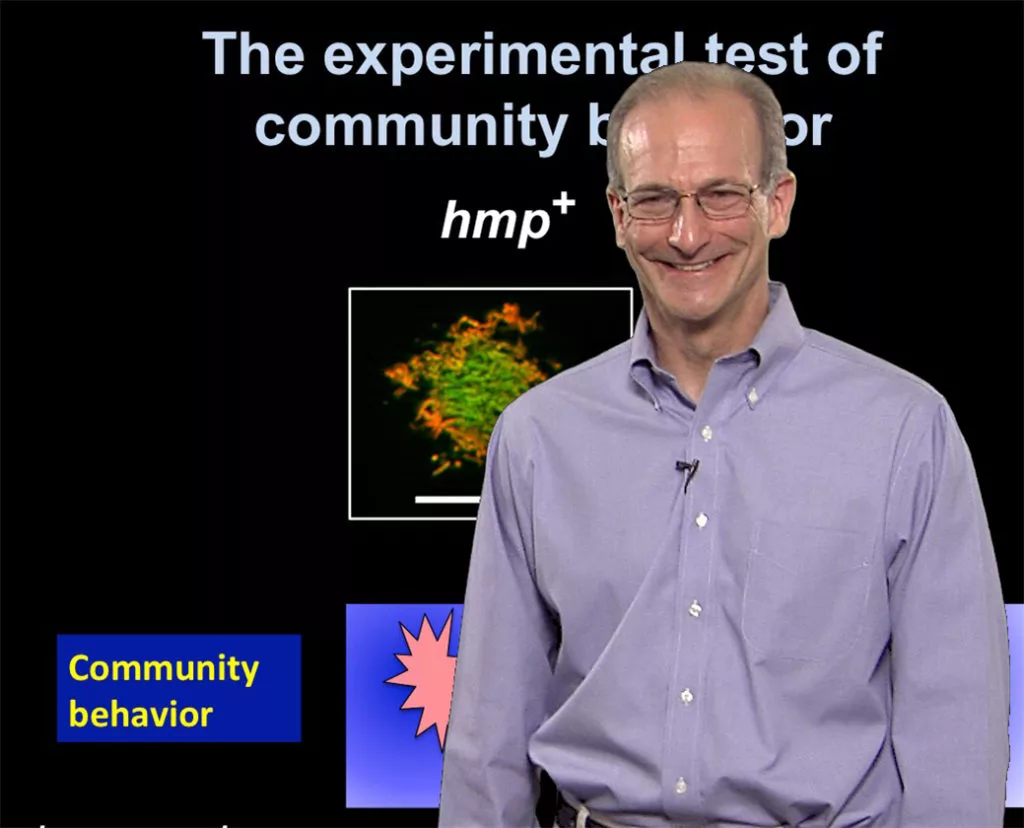
Dr. Isberg has been an acknowledged leader in the field of bacterial pathogenesis for over 30 years, with particular emphasis on pneumonic and diarrheal diseases. He has a major interest in identifying strategies for eliminating drug resistance in nosocomial pathogens, focusing on Acinetobacter baumannii. Among his awards was election to the National Academy of Sciences in 2009.
Cheleste Thorpe
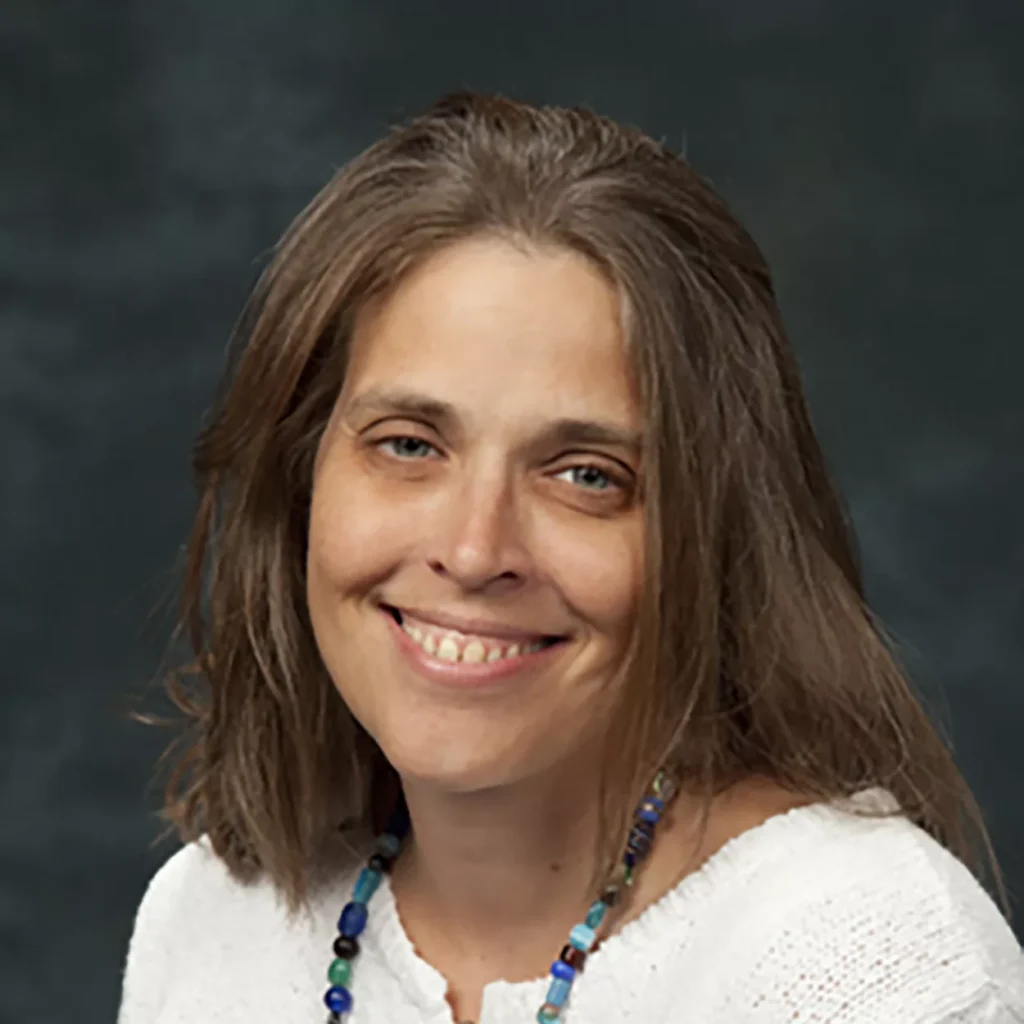
As a practicing ID physician and scientist, Dr. Thorpe’s research includes translational work assessing the impact of antimicrobials on human gastrointestinal microbiota and metabolome, with a specific focus on treatment of C. difficile infection. She is interested in how microbial communities shift in response to disease and antibiotic treatments, and how those shifts may predispose to colonization with antibiotic resistant organisms or have other deleterious impacts. She is also interested in host-pathogen interactions with a particular focus on Shiga toxin-producing E. coli.
Bree Aldridge
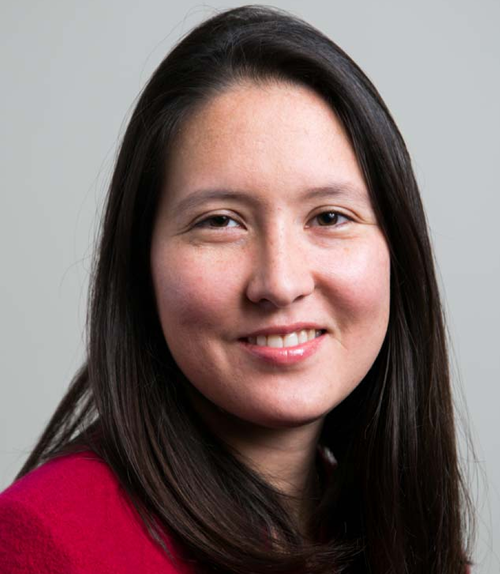
Dr. Aldridge leads a multidisciplinary research group coupling quantitative single-cell measurements and mathematical modeling with the goal of shortening and simplifying treatment regimens against tuberculosis, which remains a threat to global health, killing ~2 million people every year. The causative agent of tuberculosis, Mycobacterium tuberculosis, is thought to infect one third of world’s population, sickening ~10 million people a year. Despite efforts to simplify treatment strategies, tuberculosis still requires months of multi-drug therapy to cure. The Aldridge Laboratory at the Tufts University School of Medicine merges engineering and molecular approaches to develop quantitative descriptions of the determinants of mycobacterial stress tolerance and virulence.
Brian Noonan
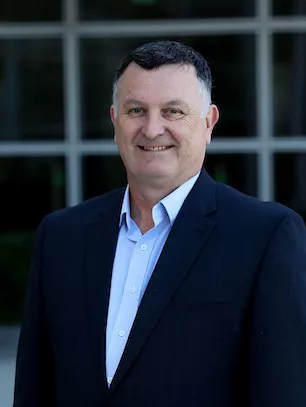
Dr. Noonan is an experienced leader of interdisciplinary research teams both in academia and industry. He works closely with our faculty to develop grant proposals and is in charge of our outreach to pharma and philanthropy. His research interests include the discovery of vaccines and anti-microbial agents targeting important pathogens and the use of immunomodulatory biologics to control cytokine induction in sepsis.
John Leong
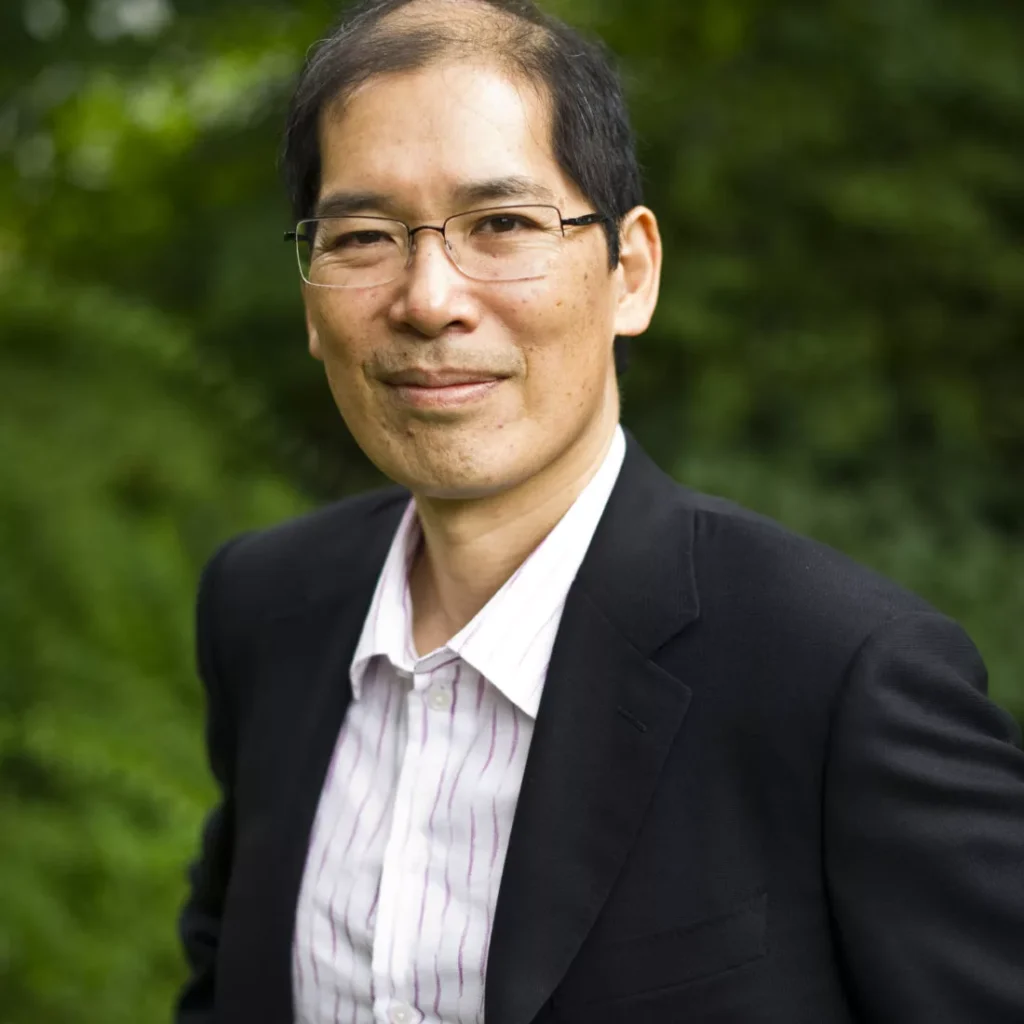
Dr. Leong is Edith Rieva and Hyman S. Trilling Professor and Chair of the Department of Molecular Biology and Microbiology at Tufts University School of Medicine. His research focuses on the interaction of pathogenic Escherichia coli, Borrelia burgdorferi (the Lyme disease spirochete) and Streptococcus pneumoniae with host immune and epithelial cells in order to understand the infectious process and develop novel therapies to prevent or treat these infections.
Cammie Lesser
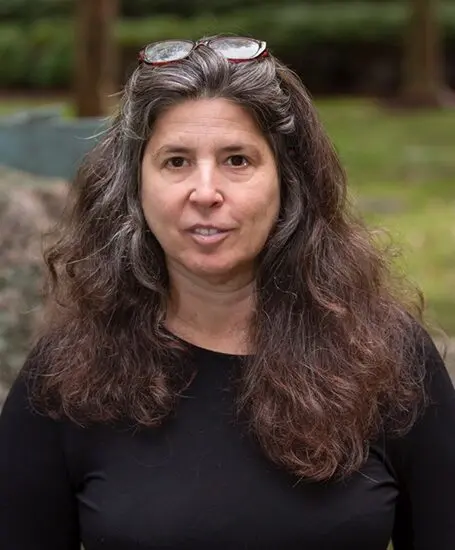
Dr. Lesser is a Professor of Molecular Biology and Microbiology at the Tufts University School of Medicine interested in developing smart microbes for the targeted delivery of therapeutic payloads to sites of disease. The Lesser Lab uses cutting-edge genetic technologies to outfit safe, beneficial bacteria with new capabilities.
Stuart B. Levy
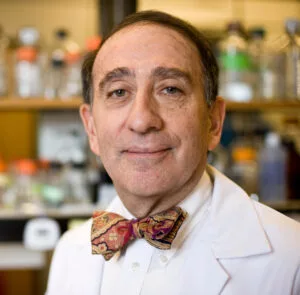
The name behind our center, Dr. Levy was a trailblazing force in the field of antimicrobial resistance. During his more than four decades at Tufts University and Tufts Medical Center, he led the paradigm shift in how we view antibiotic use and stewardship. In his work on mechanisms of antibiotic resistance and spread of resistance determinants among microbes, his was the first voice of warning of the dangers of antibiotic overuse in the emergence of drug resistance.