

Identification of Antibiotics That Diminish Disease in a Murine Model of Enterohemorrhagic Escherichia coli Infection
March 24, 2020
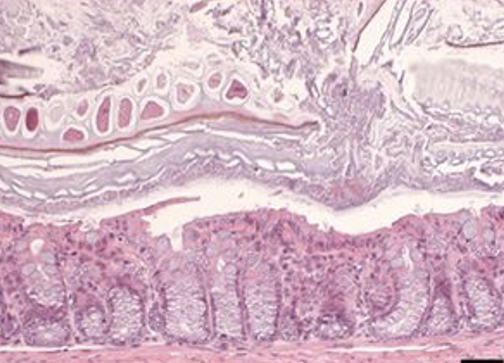
Sabrina Mühlen, Isabell Ramming, Marina C Pils \, Martin Koeppel, Jana Glaser, John Leong, Antje Flieger, Bärbel Stecher, Petra Dersch. Antimicrob Agents Chemother. 2020 Mar 24;64(4):e02159-19.
The Diversity Outbred Mouse Population Is an Improved Animal Model of Vaccination against Tuberculosis That Reflects Heterogeneity of Protection
April 15, 2020
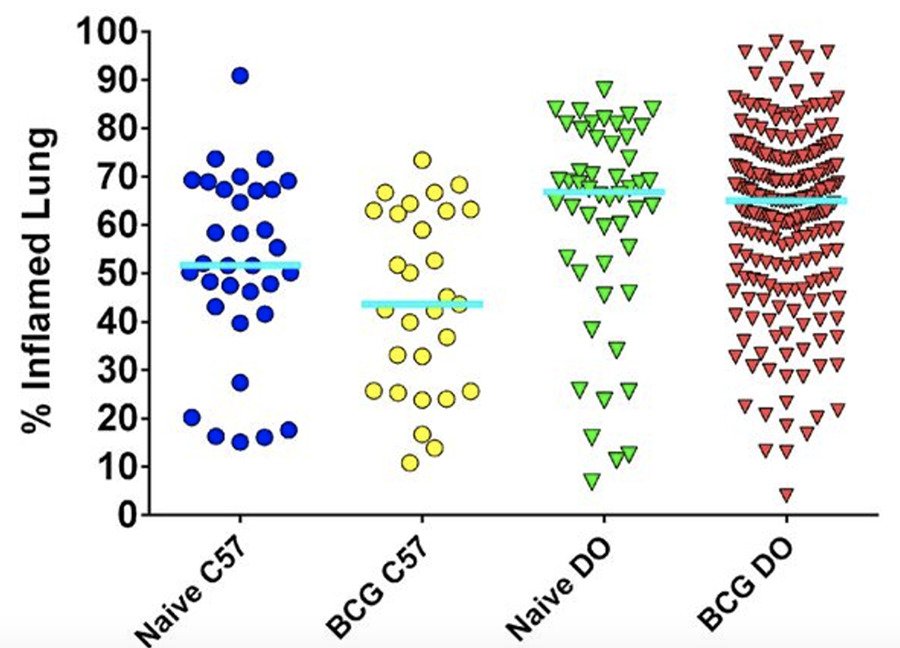
Kurtz SL, Rossi AP, Beamer GL, Gatti DM, Kramnik I, Elkins KL. mSphere. 2020 Apr 15;5(2):e00097-20.
Differential effects of ‘resurrecting’ Csp pseudoproteases during Clostridioides difficile spore germination
April 27, 2020
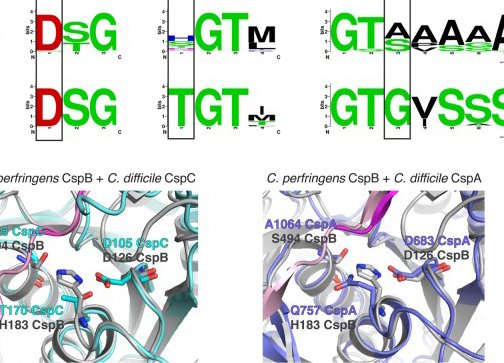
M Lauren Donnelly , Emily R Forster, Amy E Rohlfing, Aimee Shen. Biochem J. 2020 Apr 30;477(8):1459-1478.
Epidemiologic Trends in Clostridioides difficile Isolate Ribotypes in United States from 2011 to 2016
May 6, 2020
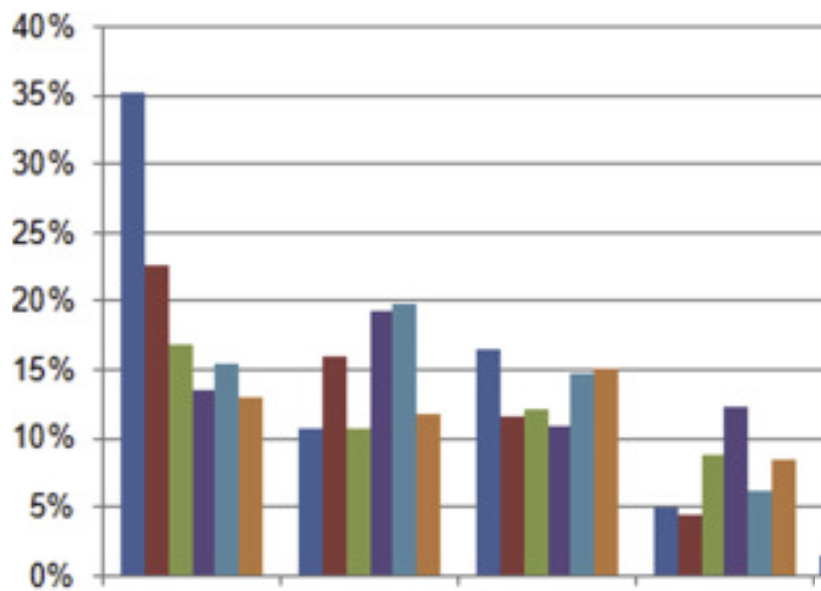
Snydman DR, McDermott LA, Jenkins SG, Goldstein EJG, Patel R, Forbes B, Johnson S, Gerding DN, Thorpe CM, Walk ST. Anaerobe. 2020 Jun;63:102185. Epub 2020 May 6.
Yersinia pseudotuberculosis YopH targets Skap2-dependent and independent signaling pathways to block neutrophil antimicrobial mechanisms during infection.
May 11, 2020
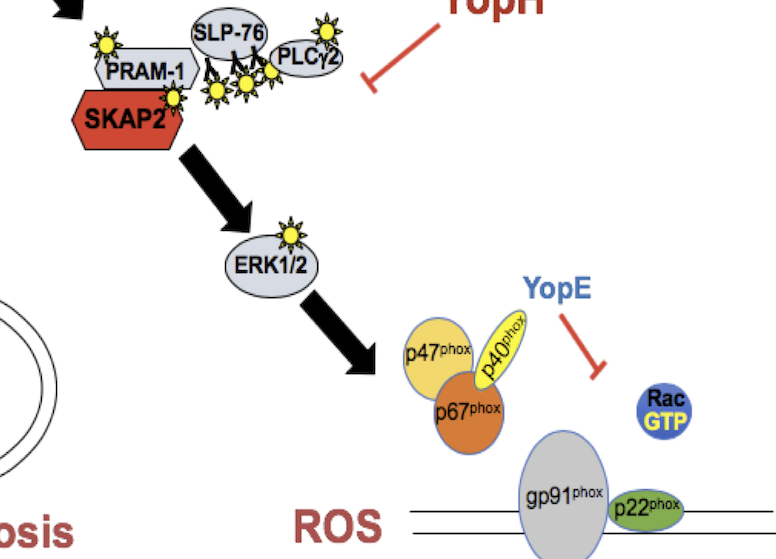
Lamyaa Shaban, Giang T. Nguyen, Benjamin D. Mecsas-Faxon, Kenneth D. Swanson, Shumin Tan, Joan Mecsas. PLoS Pathog. 2020 May 11;16(5):e1008576.
Low-abundance drug-resistant HIV-1 variants in antiretroviral drug-naïve individuals: A systematic review of detection methods, prevalence, and clinical impact
May 15, 2020
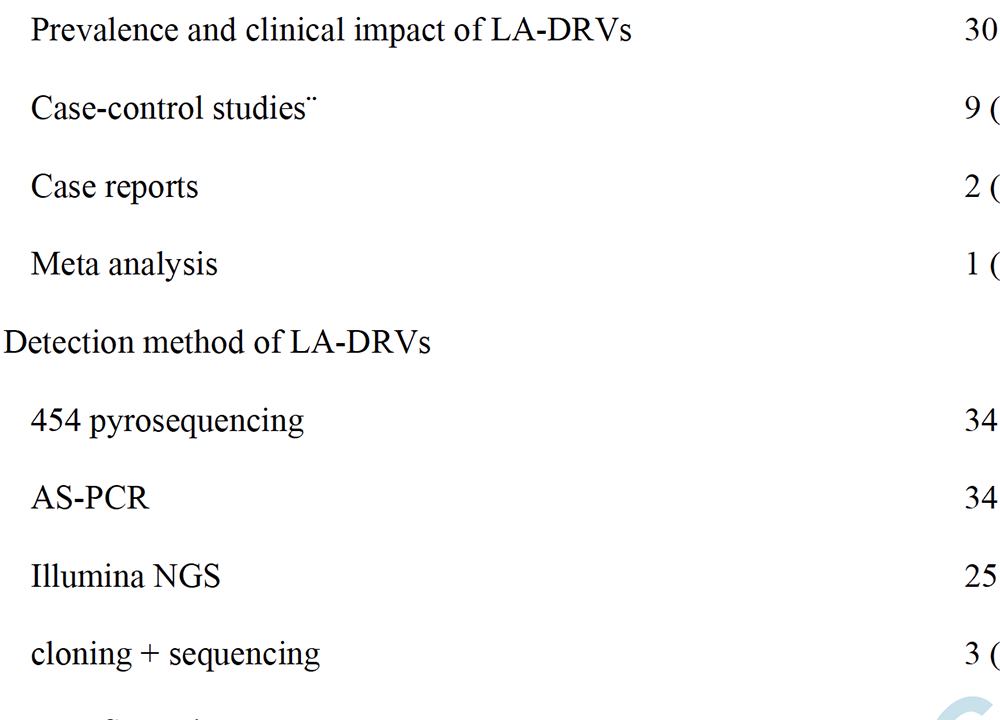
Herbert A Mbunkah, Silvia Bertagnolio, Raph L Hamers, Gillian Hunt, Seth Inzaule, Tobias F Rinke De Wit, Roger Paredes, Neil T Parkin, Michael R Jordan, Karin J Metzner, WHO HIVResNet Working Group. The Journal of Infectious Diseases, Volume 221, Issue 10, 15 May. 2020, Pages 1584–1597.
Shared bacterial communities between soil, stored drinking water, and hands in rural Bangladeshi households
May 23, 2020
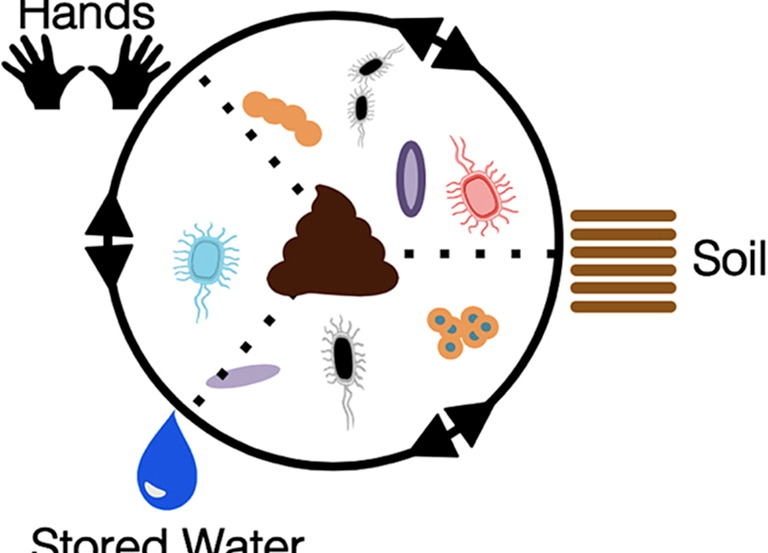
Erica R Fuhrmeister , Ayse Ercumen , Jessica A Grembi , Mahfuza Islam, Amy J Pickering, Kara L Nelson. Water Res X. 2020 May 23;9:100056.
Urban Informal Settlements as Hotspots of Antimicrobial Resistance and the Need to Curb Environmental Transmission
May 25, 2020
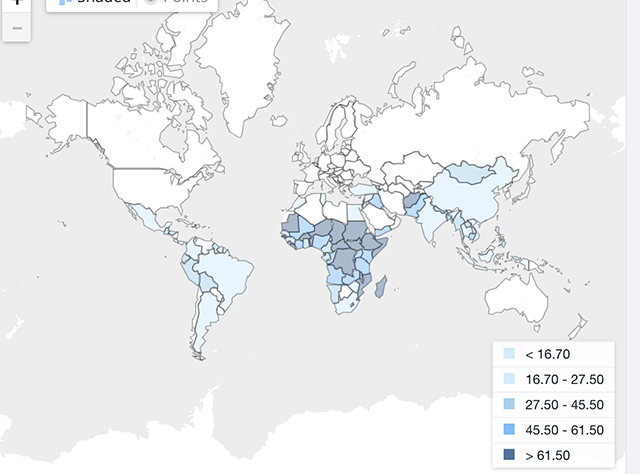
Maya L. Nadimpalli, Sara J. Marks, Maria Camila Montealegre, Robert H. Gilman, Monica J. Pajuelo, Mayuko Saito, Pablo Tsukayama, Sammy M. Njenga, John Kiiru, Jenna Swarthout, Mohammad Aminul Islam, Timothy R. Julian & Amy J. Pickering. Nature Microbiology volume 5, pages 787–795 (2020).
Renal impairment, C. difficile Recurrence, and the Differential Effect of Bezlotoxumab: A Post Hoc Analysis of Pooled Data from Two Randomized Clinical Trials
June 26, 2020
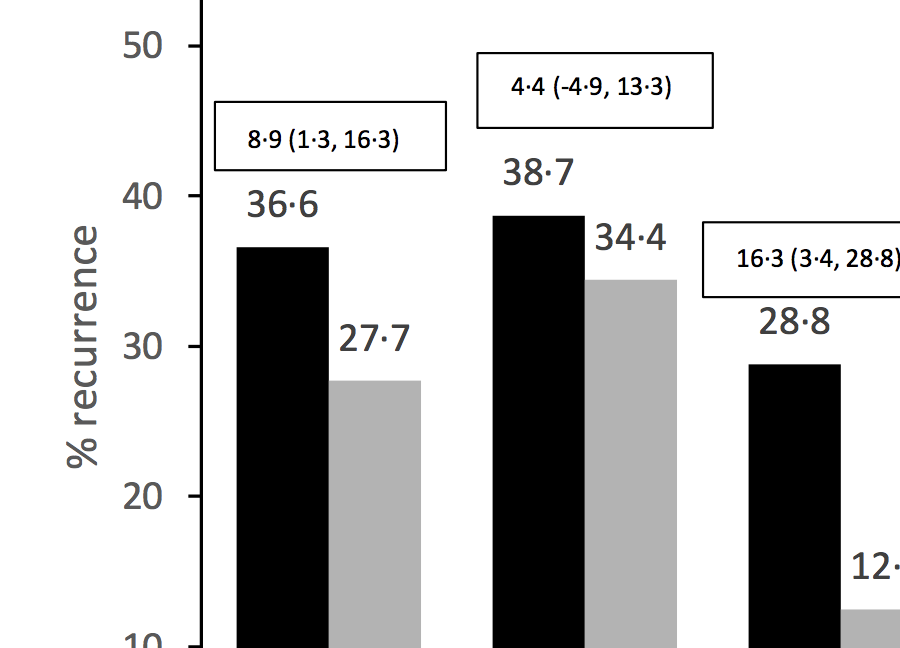
Golan Y, DuPont HL, Aldomiro F, Jensen EH, Hanson ME, Dorr MB. Open Forum Infectious Diseases, ofaa248.
Morphological profiling of tubercle bacilli identifies drug pathways of action
August 4, 2020
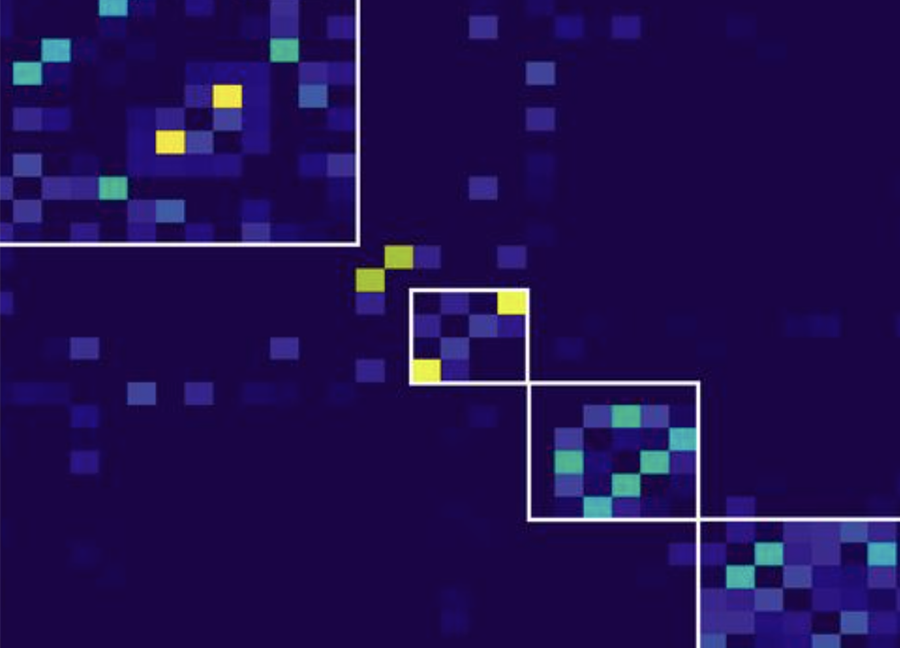
Trever C. Smith II, Krista M. Pullen, Michaela C. Olson, Morgan E. McNellis, Ian Richardson, Sophia Hu, Jonah Larkins-Ford, Xin Wang, Joel S. Freundlich, D. Michael Ando, and Bree B. Aldridge. PNAS August 4. , 2020 117 (31) 18744-18753; first published July 17, 2020.
- Direct bacterial transcript visualization illuminates spatiotemporal environmental adaptation of Mycobacterium tuberculosis in the lungAugust 14, 2026
- Indication-based clinical decision support for inpatient urine testing: impacts on utilization, appropriateness, and antibiotic prescribingJuly 24, 2026
- EXPRESS: Factors associated with antimicrobial drug prescription in cats receiving outpatient care at a veterinary teaching hospitalJuly 8, 2026
- Loss of essential outer membrane functions causes drug hypersensitization in Acinetobacter baumannii overexpressing multidrug efflux pumpsJune 24, 2026
- Growth arrest of Mycobacterium tuberculosis in acidic environments enhances their survival of antibiotic treatmentJune 22, 2026