

Publications

October 11, 2017
Publications
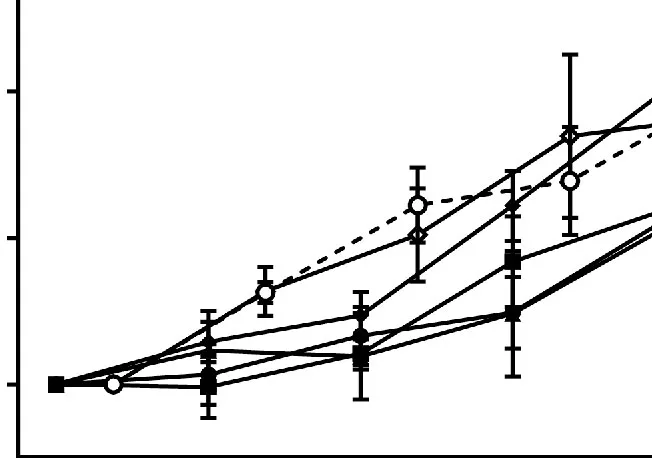
Efficient measurement and factorization of high-order drug interactions in Mycobacterium tuberculosis
Murat Cokol, Nurdan Kuru, Ece Bicak, Jonah Larkins-Ford and Bree B. Aldridge
October 3, 2017
Publications
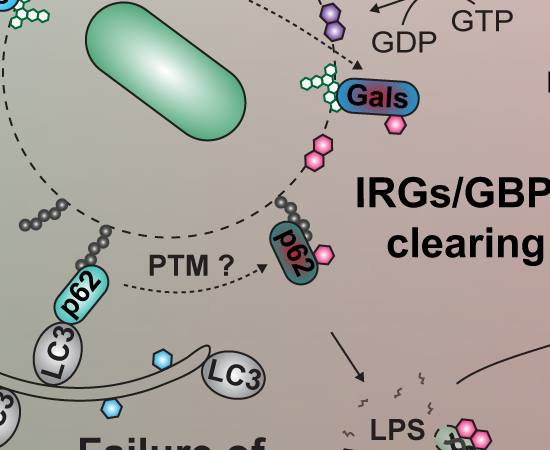
The therapeutic efficacy of azithromycin and nitazoxanide in the acute pig model of Cryptosporidium hominis
Sangun Lee, Melanie Harwood, Don Girouard, Marvin J. Meyers, Mary A. Campbell, Gillian Beamer, Saul Tzipori
August 9, 2017
Publications
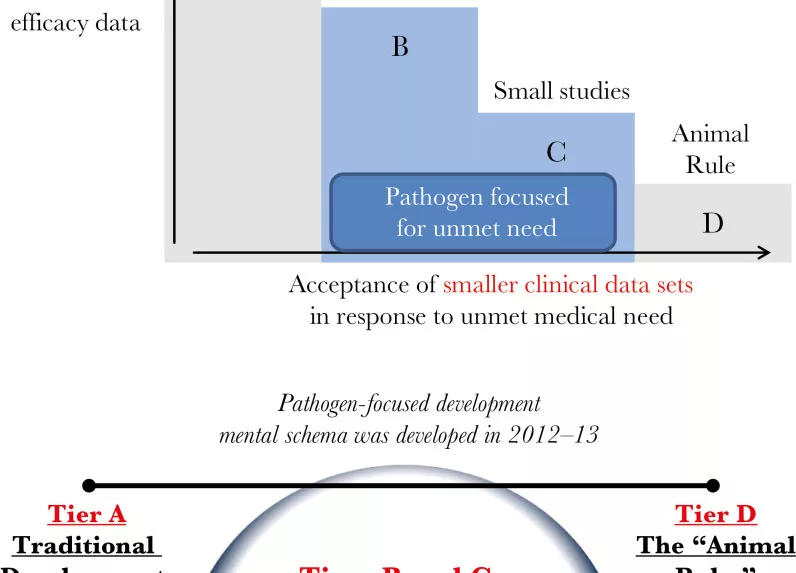
Innate Immunity to Intracellular Pathogens: Balancing Microbial Elimination and Inflammation
Gabriel Mitchell and Ralph R. Isberg
July 15, 2017
Publications
White Paper: Developing Antimicrobial Drugs for Resistant Pathogens, Narrow-Spectrum Indications, and Unmet Needs.
Helen W Boucher, Paul G Ambrose, H F Chambers, Richard H Ebright, Amanda Jezek, Barbara E Murray, Jason G Newland, Belinda Ostrowsky, and John H Rex on behalf of the Infectious Diseases Society of America
February, 2017
Publications
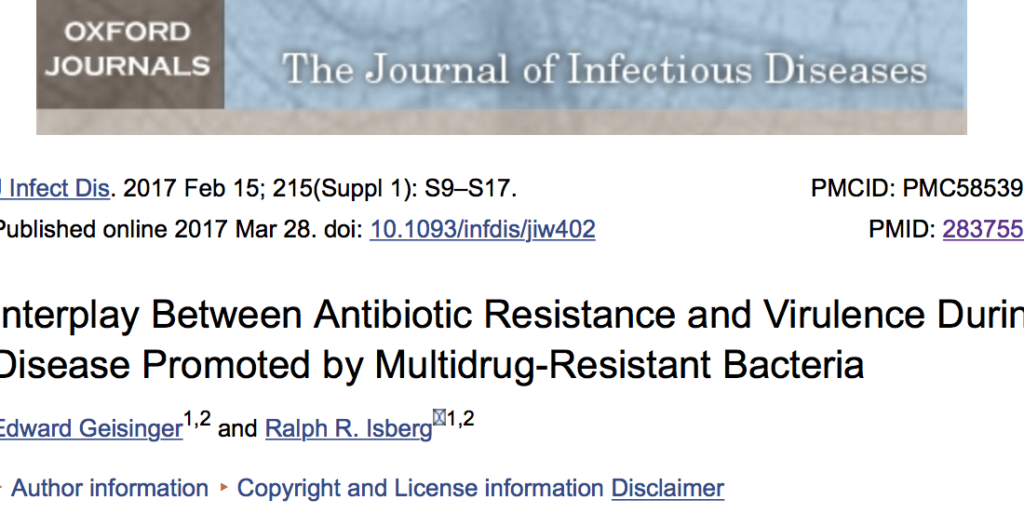
Interplay Between Antibiotic Resistance and Virulence During Disease Promoted by Multidrug-Resistant Bacteria.
Diseases caused by antibiotic-resistant bacteria in hospitals are the outcome of complex relationships between several dynamic factors, including bacterial pathogenicity, the fitness costs of resistance in the human host, and selective forces resulting from interventions such as antibiotic therapy. The emergence and fate of mutations that drive antibiotic resistance are governed by these interactions. In this review, we will examine how different forms of antibiotic resistance modulate bacterial fitness and virulence potential, thus influencing the ability of pathogens to evolve in the context of nosocomial infections. We will focus on 3 important multidrug-resistant pathogens that are notoriously problematic in hospitals: Pseudomonas aeruginosa, Acinetobacter baumannii, and Staphylococcus aureus. An understanding of how antibiotic resistance mutations shape the pathobiology of multidrug-resistant infections has the potential to drive novel strategies that can control the development and spread of drug resistance.
Sep 23, 2016
Publications
In Vitro Evaluation of the Activity of Imipenem-Relebactam against 451 Recent Clinical Isolates of Bacteroides Group and Related Species
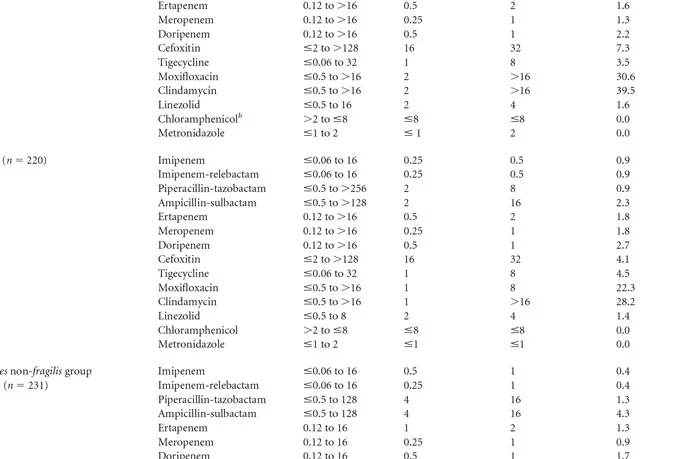
We evaluated the in vitro activity of imipenem-relebactam (imipenem-MK7655) against 451 recent clinical isolates within the Bacteroides group and related species. Relebactam did not enhance or inhibit the activity of imipenem against Bacteroides fragilis or other Bacteroides species. No synergistic or antagonistic effect was observed. The MICs of imipenem-relebactam were equal to or within one dilution of the MICs of these isolates to imipenem.
September 6, 2016
Publications
A Tetraspecific VHH-Based Neutralizing Antibody Modifies Disease Outcome in Three Animal Models of Clostridium difficile Infection
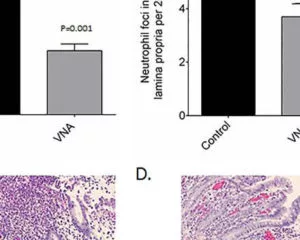
Clostridium difficile infection (CDI), a leading cause of nosocomial infection, is a serious disease in North America, Europe, and Asia. CDI varies greatly from asymptomatic carriage to life-threatening diarrhea, toxic megacolon, and toxemia. The incidence of community-acquired infection has increased due to the emergence of hypervirulent antibiotic-resistant strains. These new strains contribute to the frequent occurrence of disease relapse, complicating treatment, increasing hospital stays, and increasing morbidity and mortality among patients. Therefore, it is critical to develop new therapeutic approaches that bypass the development of antimicrobial resistance and avoid disruption of gut microflora. Here, we describe the construction of a single heteromultimeric VHH-based neutralizing agent (VNA) that targets the two primary virulence factors of Clostridium difficile, toxins A (TcdA) and B (TcdB). Designated VNA2-Tcd, this agent has subnanomolar toxin neutralization potencies for both C. difficile toxins in cell assays. When given systemically by parenteral administration, VNA2-Tcd protected against CDI in gnotobiotic piglets and mice and to a lesser extent in hamsters. Protection from CDI was also observed in gnotobiotic piglets treated by gene therapy with an adenovirus that promoted the expression of VNA2-Tcd.
August, 2016
Publications
Defining heterogeneity within bacterial populations via single cell approaches
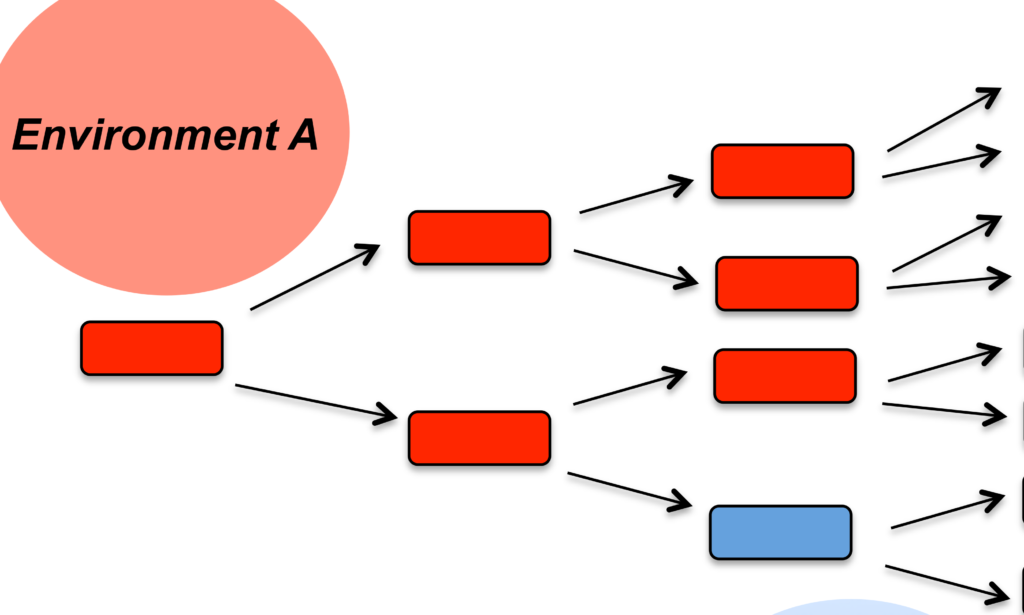
Bacterial populations are heterogeneous, which in many cases can provide a selective advantage during changes in environmental conditions. In some instances, heterogeneity exists at the genetic level, in which significant allelic variation occurs within a population seeded by a single cell. In other cases, heterogeneity exists due to phenotypic differences within a clonal, genetically identical population. A variety of mechanisms can drive this latter strategy. Stochastic fluctuations can drive differential gene expression, but heterogeneity in gene expression can also be driven by environmental changes sensed by individual cells residing in distinct locales. Utilizing multiple single cell approaches, workers have started to uncover the extent of heterogeneity within bacterial populations. This review will first describe several examples of phenotypic and genetic heterogeneity, and then discuss many single cell approaches that have recently been applied to define heterogeneity within bacterial populations.
June 13, 2016
Publications
Evaluation of a Healthcare-Associated Urinary Tract Infection Combination Antibiogram
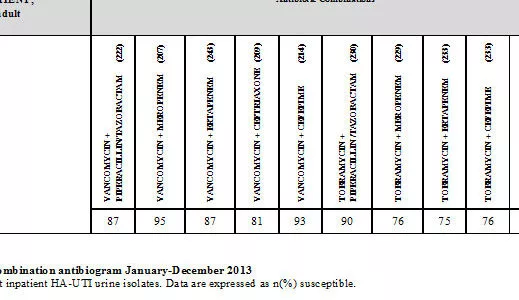
We created a 2013 combination antibiogram of healthcare-associated urinary tract infection. The 2013 antibiogram-determined regimen was evaluated in a 2014 cohort who had received empirical therapy. The regimen was statistically more likely to represent adequate treatment than actual prescriptions. A customized antibiogram may guide empirical therapy for specific patients. Infect Control Hosp Epidemiol 2016;37:1101-1104.
April 2016
Publications
Antimicrobial Stewardship in a Long-Term Acute Care Hospital Using Offsite Electronic Medical Record Audit
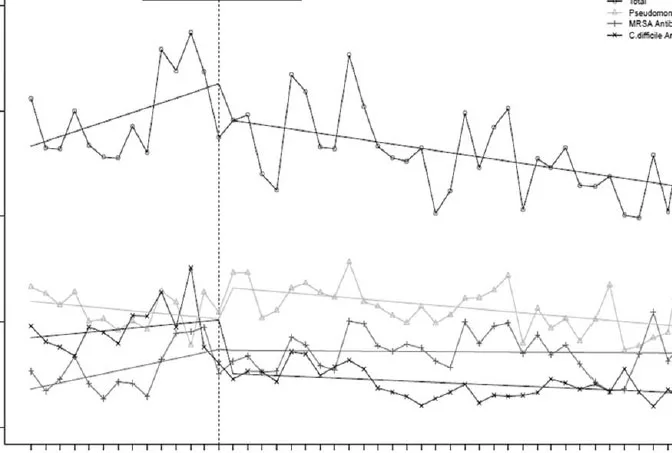
OBJECTIVE To offer antimicrobial stewardship to a long-term acute care hospital using telemedicine. METHODS We conducted an uninterrupted time-series analysis to measure the impact of antimicrobial stewardship on hospital-acquired Clostridium difficile infection (CDI) rates and antimicrobial use. Simple linear regression was used to analyze changes in antimicrobial use; Poisson regression was used to estimate the incidence rate ratio in CDI rates. The preimplementation period was April 1, 2010-March 31, 2011; the postimplementation period was April 1, 2011-March 31, 2014. RESULTS During the preimplementation period, total antimicrobial usage was 266 defined daily doses (DDD)/1,000 patient-days (PD); it rose 4.54 (95% CI, -0.19 to 9.28) per month then significantly decreased from preimplementation to postimplementation (-6.58 DDD/1,000 PD [95% CI, -11.48 to -1.67]; P=.01). The same trend was observed for antibiotics against methicillin-resistant Staphylococcus aureus (-2.97 DDD/1,000 PD per month [95% CI, -5.65 to -0.30]; P=.03). There was a decrease in usage of anti-CDI antibiotics by 50.4 DDD/1,000 PD per month (95% CI, -71.4 to -29.2; P<.001) at program implementation that was maintained afterwards. Anti-Pseudomonas antibiotics increased after implementation (30.6 DDD/1,000 PD per month [95% CI, 4.9-56.3]; P=.02) but with ongoing education this trend reversed. Intervention was associated with a decrease in hospital-acquired CDI (incidence rate ratio, 0.57 [95% CI, 0.35-0.92]; P=.02). CONCLUSION Antimicrobial stewardship using an electronic medical record via remote access led to a significant decrease in antibacterial usage and a decrease in CDI rates.
September 16, 2015
Publications
Robust bioengineered 3D functional human intestinal epithelium
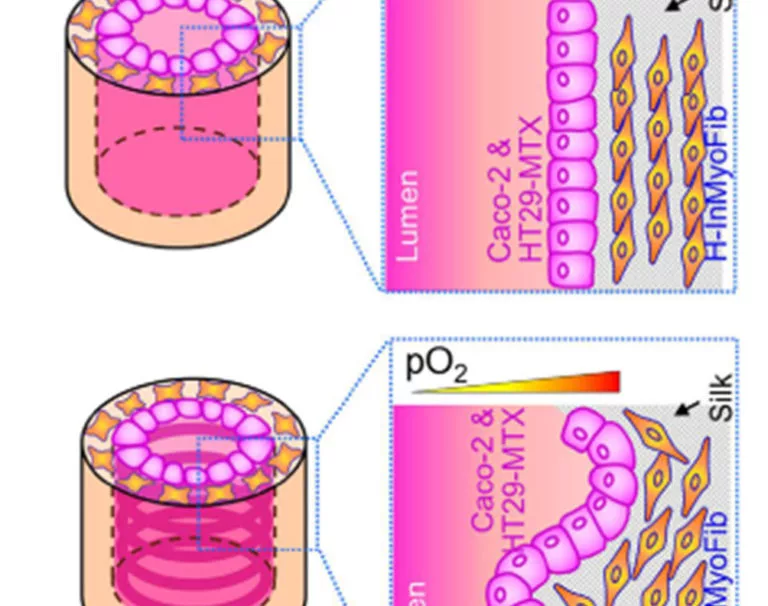
Intestinal functions are central to human physiology, health and disease. Options to study these functions with direct relevance to the human condition remain severely limited when using conventional cell cultures, microfluidic systems, organoids, animal surrogates or human studies. To replicate in vitro the tissue architecture and microenvironments of native intestine, we developed a 3D porous protein scaffolding system, containing a geometrically-engineered hollow lumen, with adaptability to both large and small intestines. These intestinal tissues demonstrated representative human responses by permitting continuous accumulation of mucous secretions on the epithelial surface, establishing low oxygen tension in the lumen, and interacting with gut-colonizing bacteria. The newly developed 3D intestine model enabled months-long sustained access to these intestinal functions in vitro, readily integrable with a multitude of different organ mimics and will therefore ensure a reliable ex vivo tissue system for studies in a broad context of human intestinal diseases and treatments.
February 13, 2015
Publications
Antibiotic modulation of capsular exopolysaccharide and virulence in Acinetobacter baumannii
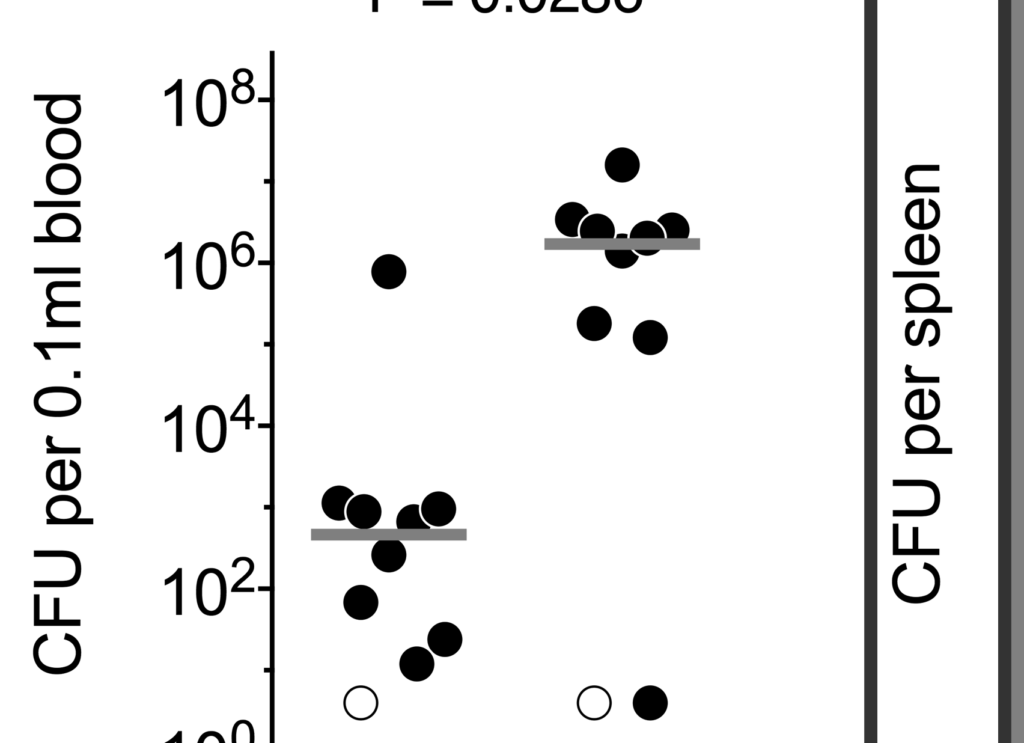
Acinetobacter baumannii is an opportunistic pathogen of increasing importance due to its propensity for intractable multidrug-resistant infections in hospitals. All clinical isolates examined contain a conserved gene cluster, the K locus, which determines the production of complex polysaccharides, including an exopolysaccharide capsule known to protect against killing by host serum and to increase virulence in animal models of infection. Whether the polysaccharides determined by the K locus contribute to intrinsic defenses against antibiotics is unknown. We demonstrate here that mutants deficient in the exopolysaccharide capsule have lowered intrinsic resistance to peptide antibiotics, while a mutation affecting sugar precursors involved in both capsule and lipopolysaccharide synthesis sensitizes the bacterium to multiple antibiotic classes. We observed that, when grown in the presence of certain antibiotics below their MIC, including the translation inhibitors chloramphenicol and erythromycin, A. baumannii increases production of the K locus exopolysaccharide. Hyperproduction of capsular exopolysaccharide is reversible and non-mutational, and occurs concomitantly with increased resistance to the inducing antibiotic that is independent of the presence of the K locus. Strikingly, antibiotic-enhanced capsular exopolysaccharide production confers increased resistance to killing by host complement and increases virulence in a mouse model of systemic infection. Finally, we show that augmented capsule production upon antibiotic exposure is facilitated by transcriptional increases in K locus gene expression that are dependent on a two-component regulatory system, bfmRS. These studies reveal that the synthesis of capsule, a major pathogenicity determinant, is regulated in response to antibiotic stress. Our data are consistent with a model in which gene expression changes triggered by ineffectual antibiotic treatment cause A. baumannii to transition between states of low and high virulence potential, which may contribute to the opportunistic nature of the pathogen.