

Publications
December 8, 2023
Publications
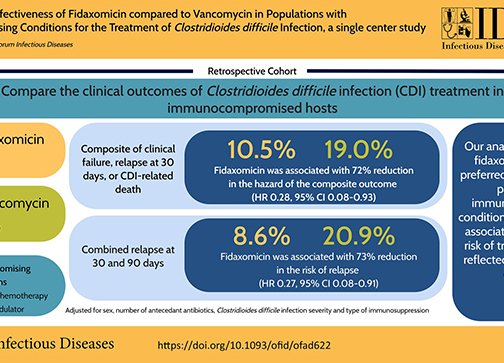
Comparative Effectiveness of Fidaxomicin vs Vancomycin in Populations With Immunocompromising Conditions for the Treatment of Clostridioides difficile Infection: A Single-Center Study
Majd Alsoubani, Jennifer K Chow, Angie Mae Rodday, David Kent, David R Snydman
November 2, 2023
Publications
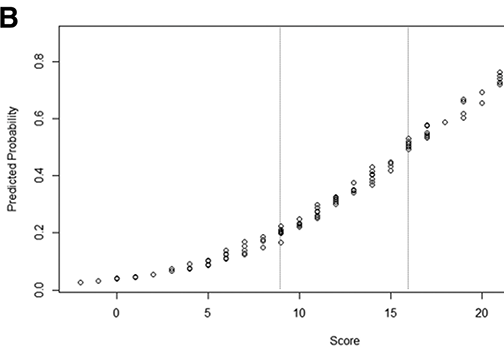
A Clinical Model to Predict the Occurrence of Select High-risk Infections in the First Year Following Heart Transplantation
Perry, Whitney A. MD, MS; Chow, Jennifer K. MD, MS; Nelson, Jason MPH; Kent, David M. MD, MS; Snydman, David R. MD
November 1, 2023
Publications
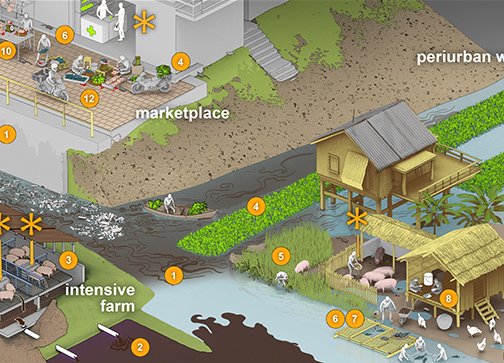
Plugging the leaks: antibiotic resistance at human-animal interfaces in low-resource settings
Antibiotic resistance is one of the greatest public health challenges of our time. International efforts to curb resistance have largely focused on drug development and limiting unnecessary antibiotic use. However, in areas where water, sanitation, and hygiene infrastructure is lacking, we propose that bacterial flow between humans and animals can exacerbate the emergence and spread of resistant pathogens. Here, we describe the consequences of poor environmental controls by comparing mobile resistance elements among Escherichia coli recovered from humans and meat in Cambodia, a middle-income country with substantial human-animal connectivity and unregulated antibiotic use. We identified identical mobile resistance elements and a conserved transposon region that were widely dispersed in both humans and animals, a phenomenon rarely observed in high-income settings. Our findings indicate that plugging leaks at human-animal interfaces should be a critical part of addressing antibiotic resistance in low- and especially middle-income countries.
October 16, 2023
Publications
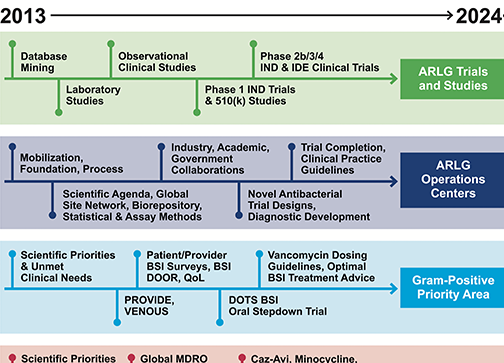
The Future Ain’t What It Used to Be…Out With the Old…In With the Better: Antibacterial Resistance Leadership Group Innovations
Scott R Evans, Robin Patel, Toshimitsu Hamasaki, Jessica Howard-Anderson, Tori Kinamon, Heather A King, Deborah Collyar, Heather R Cross, Henry F Chambers, Vance G Fowler, Jr, Helen W Boucher
October 16, 2023
Publications
Priorities and Progress in Gram-positive Bacterial Infection Research by the Antibacterial Resistance Leadership Group: A Narrative Review
The Antibacterial Resistance Leadership Group (ARLG) has prioritized infections caused by gram-positive bacteria as one of its core areas of emphasis. The ARLG Gram-positive Committee has focused on studies responding to 3 main identified research priorities: (1) investigation of strategies or therapies for infections predominantly caused by gram-positive bacteria, (2) evaluation of the efficacy of novel agents for infections caused by methicillin-resistant Staphylococcus aureus (MRSA) and vancomycin-resistant enterococci, and (3) optimization of dosing and duration of antimicrobial agents for gram-positive infections. Herein, we summarize ARLG accomplishments in gram-positive bacterial infection research, including studies aiming to (1) inform optimal vancomycin dosing, (2) determine the role of dalbavancin in MRSA bloodstream infection, (3) characterize enterococcal bloodstream infections, (4) demonstrate the benefits of short-course therapy for pediatric community-acquired pneumonia, (5) develop quality of life measures for use in clinical trials, and (6) advance understanding of the microbiome. Future studies will incorporate innovative methodologies with a focus on interventional clinical trials that have the potential to change clinical practice for difficult-to-treat infections, such as MRSA bloodstream infections.
October 4, 2023
Publications
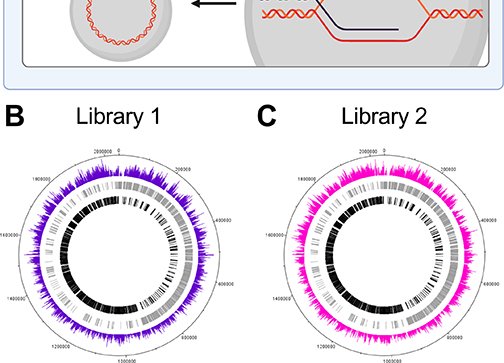
Identification of Streptococcus pneumoniae genes associated with hypothiocyanous acid tolerance through genome-wide screening
Heather L. Shearer, Paul E. Pace, Leah M. Smith, Peter C. Fineran, Allison J. Matthews, Andrew Camilli, Nina Dickerhof, Mark B. Hampton
September 22, 2023
Publications
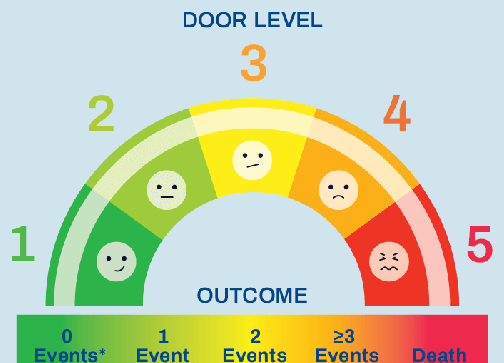
Moving beyond mortality: Development and Application of a Desirability of Outcome Ranking (DOOR) Endpoint for Hospital-Acquired Bacterial Pneumonia and Ventilator-Associated Bacterial Pneumonia
Hospital-acquired and ventilator-associated bacterial pneumonia (HABP/VABP) are frequently caused by multidrug-resistant organisms. Patient-centered endpoints in clinical trials are needed to develop new antibiotics for HABP/VABP. Desirability of outcome ranking (DOOR) is a paradigm for the design, analysis, and interpretation of clinical trials based on a patient-centered, benefit-risk evaluation.
September 20, 2023
Publications
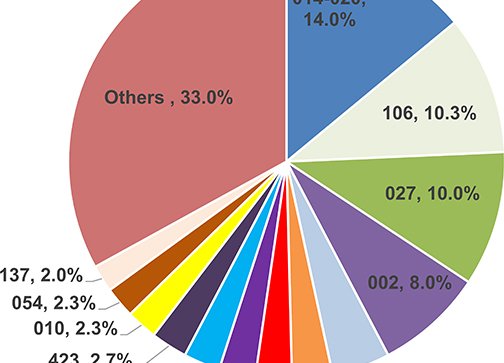
A US-based national surveillance study for the susceptibility and epidemiology of Clostridioides difficile isolates with special reference to ridinilazole: 2020–2021
D. R. Snydman, L. A. McDermott, C. M. Thorpe, E. J. C. Goldstein, A. N. Schuetz, S. Johnson, D. N. Gerding, L. Gluck, D. Bourdas, K. C. Carroll, C. K. Lancaster, K. W. Garey, Q. Wang, S. T. Walk, E. Duperchy

September 13, 2023
Publications
Checklist for studies of HIV drug resistance prevalence or incidence: rationale and recommended use
HIV drug resistance (HIVDR) is a major challenge to the effectiveness of antiretroviral therapy. Global efforts in addressing HIVDR require clear, transparent, and replicable reporting in HIVDR studies. We describe the rationale and recommended use of a checklist that should be included in reports of HIVDR incidence and prevalence. After preliminary consultations with experts on HIVDR and establishing the need for guidance on HIVDR reporting, we used a sequential, explanatory, mixed methods approach to create the checklist; together with the accompanying articles, the checklist was reviewed by the authors and validated externally. The checklist for studies on HIVDR prevalence or incidence (CEDRIC-HIV) includes 15 recommended items that would enhance transparency and facilitate interpretation, comparability, and replicability of HIVDR studies. CEDRIC-HIV will help authors of HIVDR studies prepare research reports and assist reviewers and editors in assessments of completeness of reporting. The checklist will also facilitate statistical pooling and interpretation of HIVDR data.
September 8, 2023
Publications
Leveraging the COVID-19 pandemic as a natural experiment to assess changes in antibiotic use and antibiotic-resistant E. coli carriage in semi-rural Ecuador
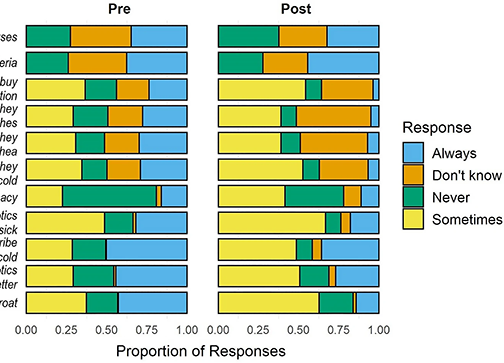
Heather K. Amato, Fernanda Loayza, Liseth Salinas, Diana Paredes, Daniela García, Soledad Sarzosa, Carlos Saraiva-Garcia, Timothy J. Johnson, Amy J. Pickering, Lee W. Riley, Gabriel Trueba & Jay P. Graham
August 22, 2023
Publications
Exploration of a Potential Desirability of Outcome Ranking Endpoint for Complicated Intra-Abdominal Infections Using 9 Registrational Trials for Antibacterial Drugs
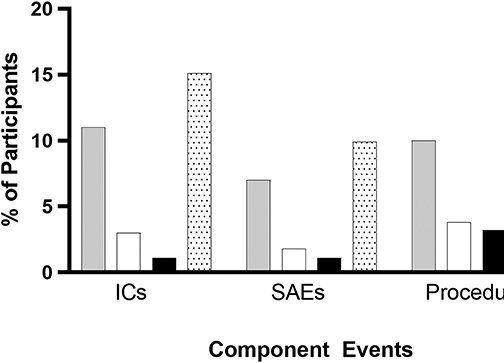
Tori Kinamon, Ramya Gopinath, Ursula Waack, Mark Needles, Daniel Rubin, Deborah Collyar, Sarah B Doernberg, Scott Evans, Toshimitsu Hamasaki, Thomas L Holland, Jessica Howard-Anderson, Henry Chambers, Vance G Fowler, Jr, Sumati Nambiar, Peter Kim, Helen W Boucher
August 10, 2023
Publications
Interactions of Vibrio phages and their hosts in aquatic environments
Roberto C Molina-Quiroz, Cecilia A Silva-Valenzuela,
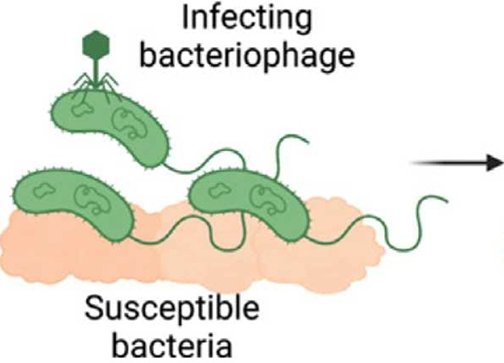
Bacteriophages (phages) are viruses that specifically infect bacteria. These viruses were discovered a century ago and have been used as a model system in microbial genetics and molecular biology. In order to survive, bacteria have to quickly adapt to phage challenges in their natural settings. In turn, phages continuously develop/evolve mechanisms for battling host defenses. A deeper understanding of the arms race between bacteria and phages is essential for the rational design of phage-based prophylaxis and therapies to prevent and treat bacterial infections. Vibrio species and their phages (vibriophages) are a suitable model to study these interactions. Phages are highly ubiquitous in aquatic environments and Vibrio are waterborne bacteria that must survive the constant attack by phages for successful transmission to their hosts. Here, we review relevant literature from the past two years to delve into the molecular interactions of Vibrio species and their phages in aquatic niches.