

The Lancet Commission on Water, Sanitation and Hygiene, and Health
Published
September 3, 2021
Source
Lancet
2021 Sep 3;S0140-6736(21)02005-5. Online ahead of print
PMID: 34487681
Abstract
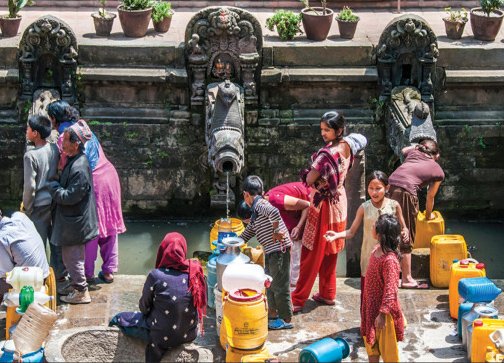
In 2010, access to water and sanitation was recognised as a human right and, in 2015, an ambitious Sustainable Development Goal (SDG) of achieving universal access to safely managed water, sanitation, and hygiene (WASH) services by 2030 was agreed. Half a decade later, SDG 6 is off-track,1 and the COVID-19 pandemic has highlighted how limited access to WASH services undermines public health efforts2 and exacerbates health and social inequalities.3Important inter-related trends, including climate change, rapid urbanisation, increasing humanitarian crises, and persistent gender and income inequalities, compound this challenge.
The deficit is huge—almost half the world's population did not have access to safely managed sanitation services in 2020.1 But achieving this ambitious SDG must not be dismissed as beyond reach. For diverse reasons, including public health, gender equality, and social and environmental justice, achieving this goal is imperative. Yet the reality is that many national systems have inadequate plans, financing, and capacity to deliver on the promise of the SDG.
Posted by
Levy CIMAR