

A call for global monitoring of WASH in wet markets
Published
2020
Source
Maya L Nadimpalli and Amy J Pickering
Abstract
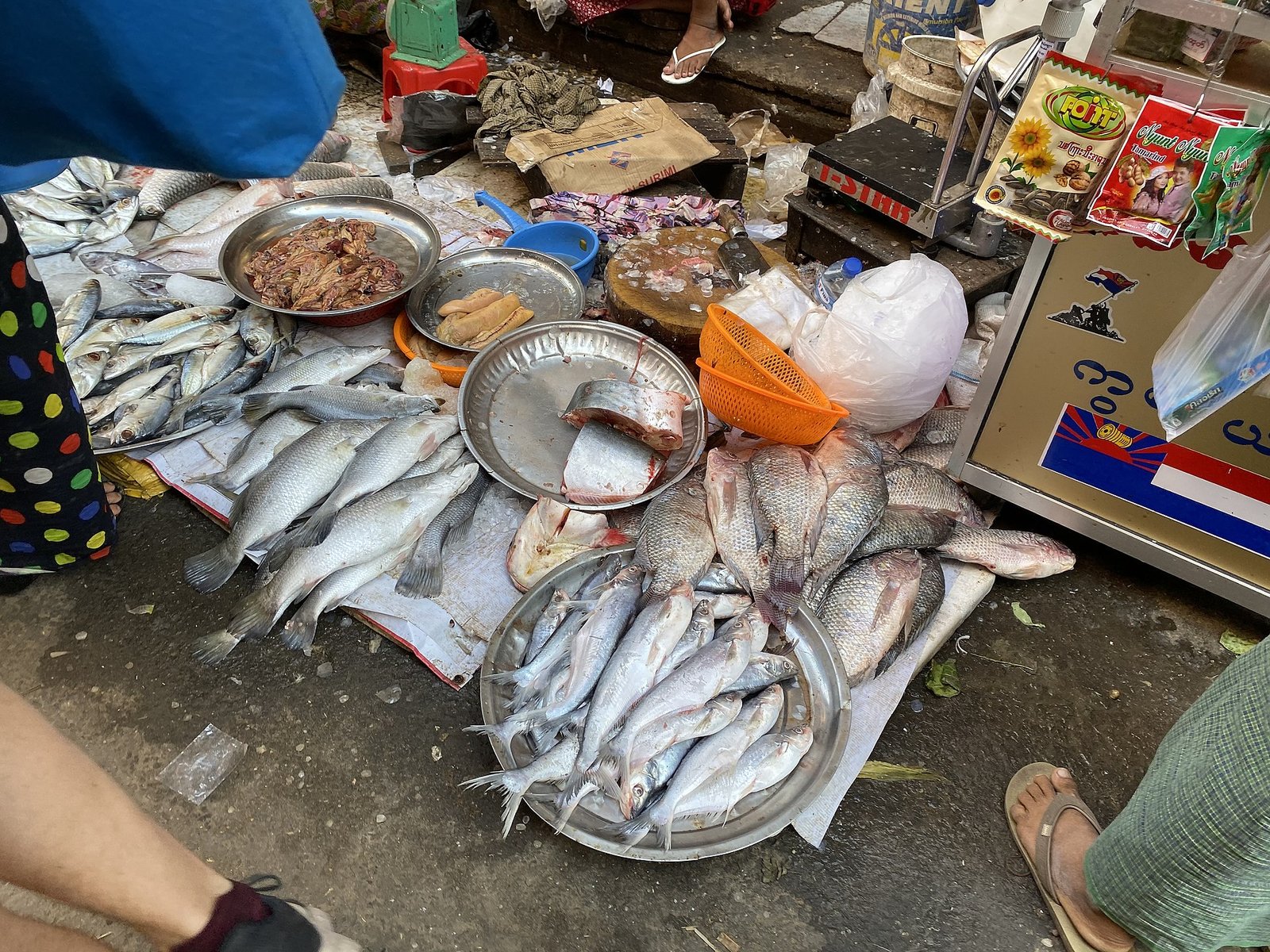
Since the start of the COVID-19 pandemic, wet markets have been described as potential hotspots for the transmission of novel respiratory illnesses. Over the past two decades, wet markets—defined as marketplaces where meat, seafood, produce, and sometimes live animals are sold and butchered at open-air stalls—have been linked to the emergence of the novel influenza virus H5N1, severe acute respiratory syndrome coronavirus 1 (SARS-CoV-1), and SARS-CoV-2 in humans. Although some global leaders have called for a complete ban on wet markets given the ongoing crisis, others have rightfully noted that millions of low-income households across Asia, Africa, and Latin America rely heavily on wet markets for affordable fresh food, and that discounting the numerous socio-cultural and economic benefits that these markets provide would be irresponsible. Therefore, many global health leaders are now advocating for bans on wildlife trading at wet markets as a defence against future zoonotic outbreaks.
Posted by
Levy CIMAR